









VoltEdge, an energy technology company, has introduced a new suite of artificial intelligence tools designed to help utilities, building operators, and energy managers balance demand, reduce waste, and keep systems running reliably. The platform is aimed at organisations that manage power across offices, factories, campuses, and local distribution networks, where usage changes by the hour and small inefficiencies quickly add up. According to the company, the tools are meant to bring scattered meter data, weather information, and equipment records into one clear view, so teams can make faster and better-informed decisions about when and how energy is used.
The Problem
Energy management has become harder as supply and demand have grown less predictable. Buildings heat up and cool down with the weather, factories start and stop lines through the day, and electric vehicles, solar panels, and battery storage now feed into systems that were designed for a simpler, one-way flow of power. When demand spikes unexpectedly, operators may have minutes to respond, and the cost of getting it wrong can be high.
Much of the daily work is still manual. Energy managers pull readings from separate meters and dashboards, compare them in spreadsheets, and try to spot patterns after the fact. Faulty equipment can run for weeks before anyone notices it is using far more power than it should. Maintenance notes, tariff details, and building schedules often live in different places, so even a basic question — why did usage jump on Tuesday afternoon, or which sites are drifting from their targets — can take hours to answer. For smaller utilities and facilities teams, that delay means savings are missed and problems are found late.
What the Tool Does
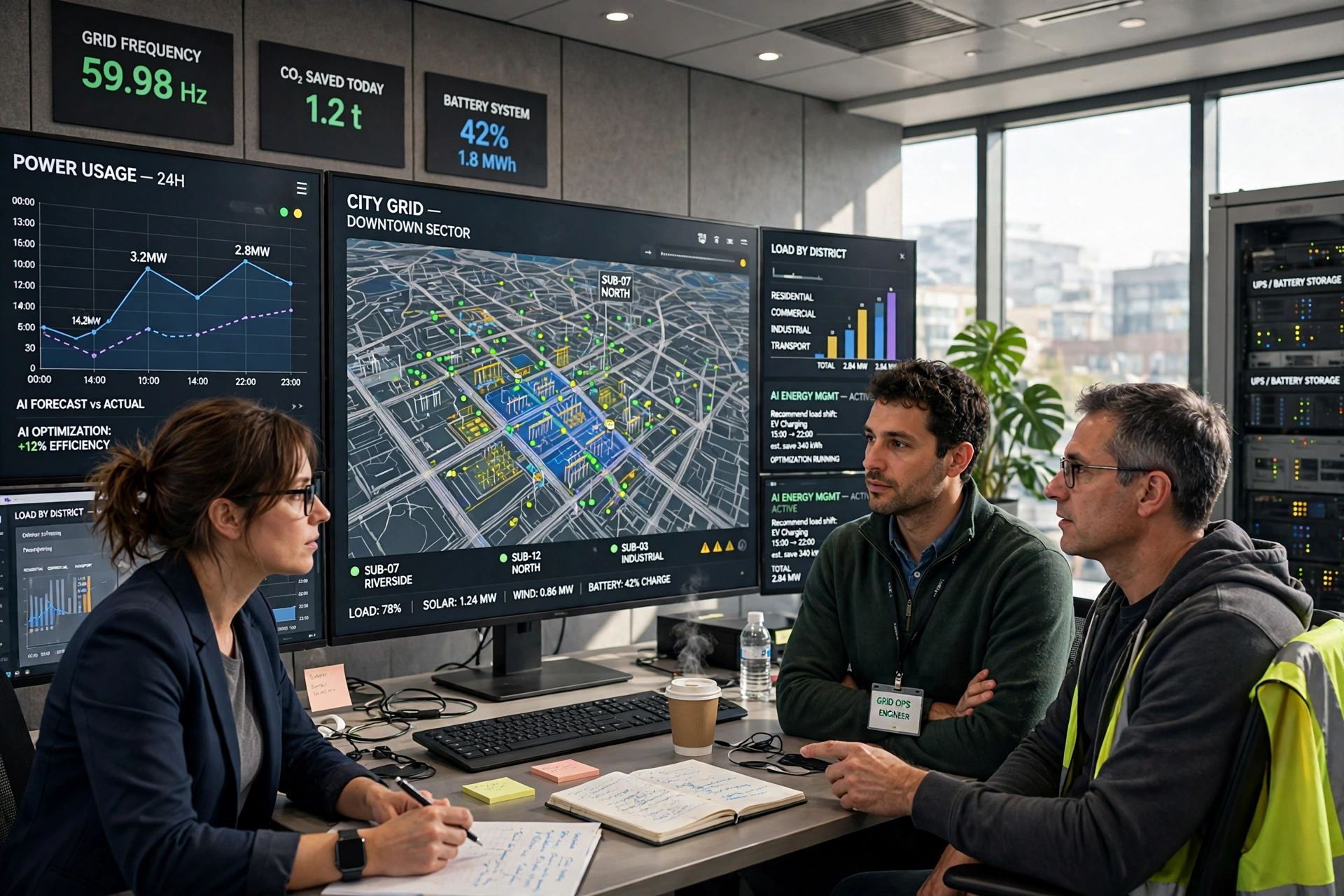
VoltEdge’s platform brings several AI-assisted workflows into a single workspace built for energy and utility teams. According to the company, its key features include:
- Demand forecasting that reviews historical usage, weather patterns, and operating schedules to anticipate peaks and help teams plan ahead
- Anomaly detection that flags equipment or sites using unusual amounts of energy, so faults and waste can be investigated early
- Load balancing support that suggests when to shift flexible tasks, charge batteries, or adjust building systems to ease pressure at peak times
- Usage reporting that turns meter and sensor data into clear summaries for managers, finance teams, and sustainability leads
- Maintenance alerts that connect energy patterns with equipment records, helping teams prioritise checks where the data suggests a problem
- Scenario planning that lets operators compare options — such as changing schedules or settings — before making a decision
The company says the tools are designed to support experienced operators rather than replace their judgment: control decisions, safety checks, and final approvals still remain with the people responsible for the network or building.
Why It Matters
The launch reflects a broader shift across the energy sector, where AI is moving into the everyday work of keeping systems efficient and resilient. Energy costs remain a major concern for businesses and public organisations, while pressure grows to cut emissions and make better use of renewable power when it is available. In that environment, visibility matters. A team that can see a problem forming, rather than reading about it in a monthly report, is in a far stronger position to act.
Tools like VoltEdge’s sit in the middle of that pressure. By automating the mechanical parts of energy work — collecting readings, spotting outliers, and drafting reports — they promise to give specialists back the time they need for the work that genuinely requires experience: deciding how to respond to a peak, planning upgrades, and weighing cost against reliability. The approach also helps smaller organisations that cannot afford a large in-house analytics team to manage energy with the same discipline as bigger operators.
What to Watch Next
The real test for VoltEdge will be how its tools perform across very different sites — older buildings with limited metering, busy industrial plants, and networks adding new solar and storage at different speeds. It will also be worth watching how the company handles accuracy and trust, especially when its forecasts influence spending and operating decisions. For now, VoltEdge’s launch is another sign that practical AI is finding a firm place in energy management, and that the operators learning to pair engineering experience with clearer, faster data may set the pace for the sector.