








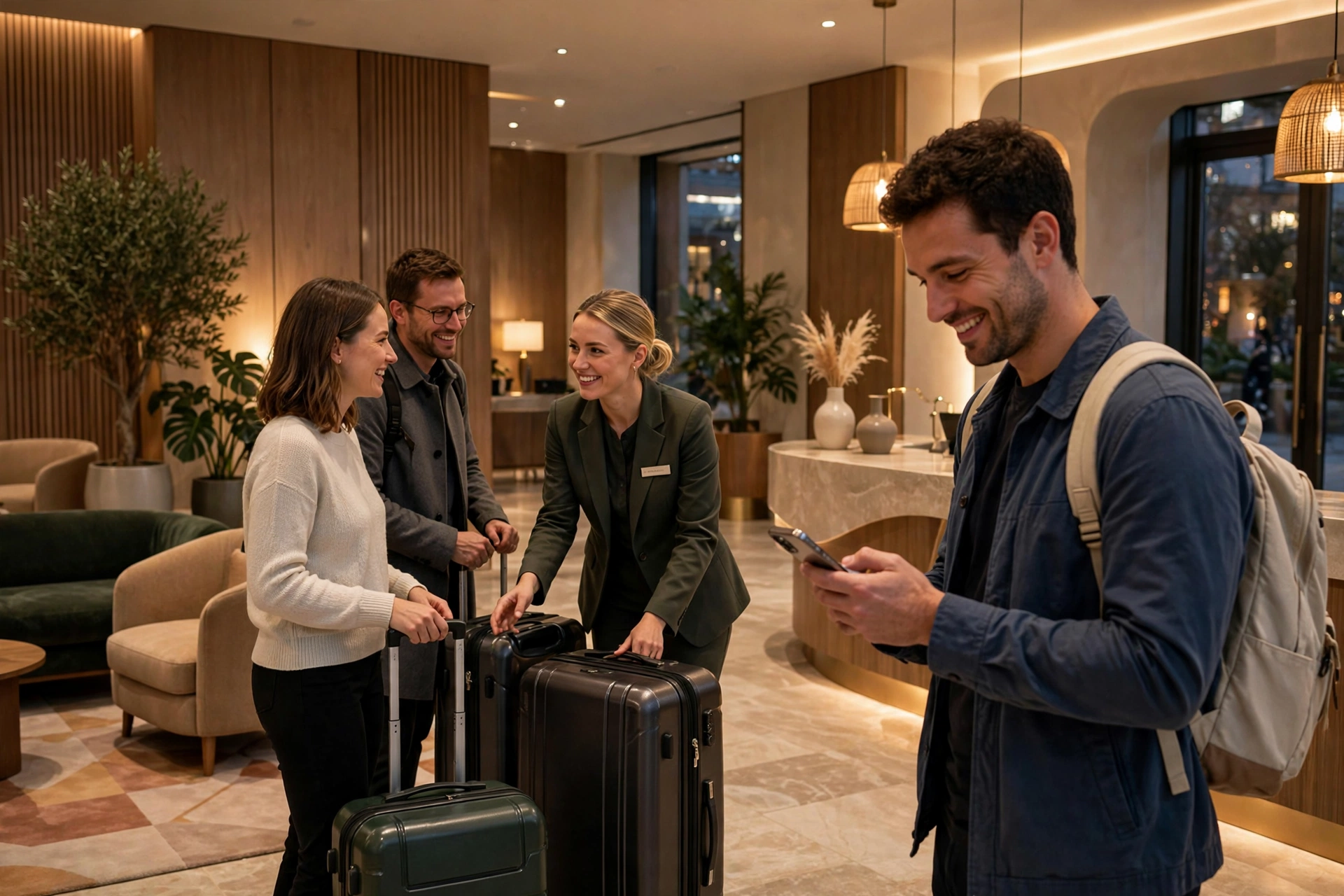
A hotel stay used to begin with a line at the front desk and a standard room that looked the same for every guest. In 2026, that experience is being quietly redesigned. Hotels across the United States are using artificial intelligence to tailor stays to the individual traveler — anticipating preferences, adjusting rooms, and communicating in ways that feel personal rather than generic. The shift is not about replacing hospitality with technology; it is about using technology to make hospitality feel the way it was always supposed to.
What’s Changing
The personalization starts before the guest arrives. Booking and messaging systems now recognize returning travelers, remember preferences such as floor level, pillow type, or a favorite room temperature, and prepare the stay accordingly. AI assistants handle the bulk of routine guest communication — answering questions about parking, breakfast hours, or late checkout in the guest’s own language, at any hour — so requests that once waited until morning are resolved in minutes.
Inside the property, the changes are practical as well as personal. Housekeeping is increasingly scheduled by AI that knows which rooms are occupied, which guests asked not to be disturbed, and when arrivals are due, replacing fixed cleaning rounds with a plan that adapts through the day. Room controls are learning habits: lighting, temperature, and entertainment set themselves closer to what the guest chose last time. Dining and local recommendations have become individualized too, with suggestions shaped by the purpose of the trip, past stays, and what similar guests enjoyed — a business traveler in town for one night gets a very different list from a family on a long weekend.
Staff roles are evolving alongside the tools. With routine questions and scheduling handled automatically, front-desk and concierge teams spend more of their time on the interactions guests actually remember: solving problems, marking occasions, and offering the local knowledge no database holds.
Why the Shift Is Happening
Travelers arrived at this moment with new expectations. People who plan trips with AI assistants, check in from their phones, and get personalized recommendations everywhere else in their lives see no reason a hotel should treat them as strangers. Major booking platforms and large hotel brands set the standard first, and independent properties are now adopting the same capabilities through software that has become far more affordable and easier to run.
Hotels also face hard operational pressure. Staffing remains tight across the hospitality industry, and energy and maintenance costs keep climbing. Personalization, done well, is not just a guest-pleaser — it is efficient. Predicting demand improves staffing, anticipating maintenance issues prevents costly room outages, and answering routine questions automatically protects small teams from being overwhelmed at peak hours. Properties that personalize effectively also see a business benefit owners care about: guests who feel recognized are more likely to book directly, return, and recommend the hotel to others.
What It Means
For travelers, the practical effect is a stay that requires less effort. Fewer forms, fewer repeated explanations, fewer generic offers — and more of the small things done right without being asked. There is a balance to strike, and guests are vocal about it: personalization is welcome when it is helpful and transparent, and unwelcome when it feels like surveillance. Hotels earning trust are the ones that use guest data visibly in the guest’s favor, keep a human easy to reach, and never let automation stand between a traveler and help when something goes wrong.
For hotel staff, the shift raises the value of distinctly human skills. Empathy, local expertise, and grace under pressure are precisely what the software cannot supply, and properties are training and hiring with that in mind. The properties struggling most are those that automated for cost alone and hollowed out the human experience guests were paying for.
The Outlook
Through the rest of 2026, expect personalization to extend further across the journey — from trip planning that hands off seamlessly to the hotel, to stays that adapt in real time, to follow-up that remembers what mattered. Voice assistants in rooms, smarter energy management, and more predictive service will keep spreading from flagship brands to everyday properties. The lesson of 2026 is a simple one: the hotels winning loyalty are not the ones with the most technology. They are the ones using it to make every guest feel like a regular — even on their very first stay.