








PawLogic, a veterinary technology company, has introduced a new suite of artificial intelligence tools designed to help veterinary practices manage appointments, clinical notes, and pet owner communication with less manual effort. The platform is aimed at independent animal clinics, emergency pet hospitals, and multi-vet practices that balance full appointment books with surgery schedules, lab work, and ongoing treatment plans. According to the company, the tools are meant to bring scheduling, records, and messaging into one clear workspace, so veterinarians, vet nurses, and reception teams can spend more time with animals and less time on repetitive administration.
The Problem
Veterinary practices run on unpredictable schedules where a single emergency, a longer-than-expected surgery, or a wave of urgent same-day cases can reshape the whole day. Rooms, clinicians, and equipment all need to line up, yet demand shifts constantly as pets arrive unannounced, need follow-up diagnostics, or require longer consultations than planned. When appointment books are managed manually, gaps appear that are hard to fill, and busy periods become harder to handle without long waits.
Much of the supporting work is still done by hand. Staff retype clinical notes after consultations, call owners about test results, chase patients for vaccination boosters and dental cleanings, and answer routine questions by phone and email. Consultation records, lab results, vaccination histories, and billing information often live in separate systems, so answering a simple question — which pets are overdue for a check-up, or which appointments need confirmation this week — can take far longer than it should. For smaller practices without a dedicated administrative team, that burden falls on the same people who greet worried owners and care for anxious animals.
What the Tool Does
PawLogic’s platform brings several AI-assisted workflows into a single workspace built for veterinary teams. According to the company, its key features include:
- Smart appointment scheduling that reviews consultation length, clinician availability, and room use to help teams build balanced daily diaries and fit in urgent cases
- Clinical note support that turns structured examination details into clear draft notes for the veterinarian to review, edit, and approve
- Pet owner messaging that drafts appointment reminders, post-visit aftercare instructions, and vaccination due notices for staff approval
- Lab result summaries that organise test findings into plain-language explanations owners can understand
- Treatment plan tracking that flags pets due for follow-up visits, ongoing medication reviews, or recurring treatments
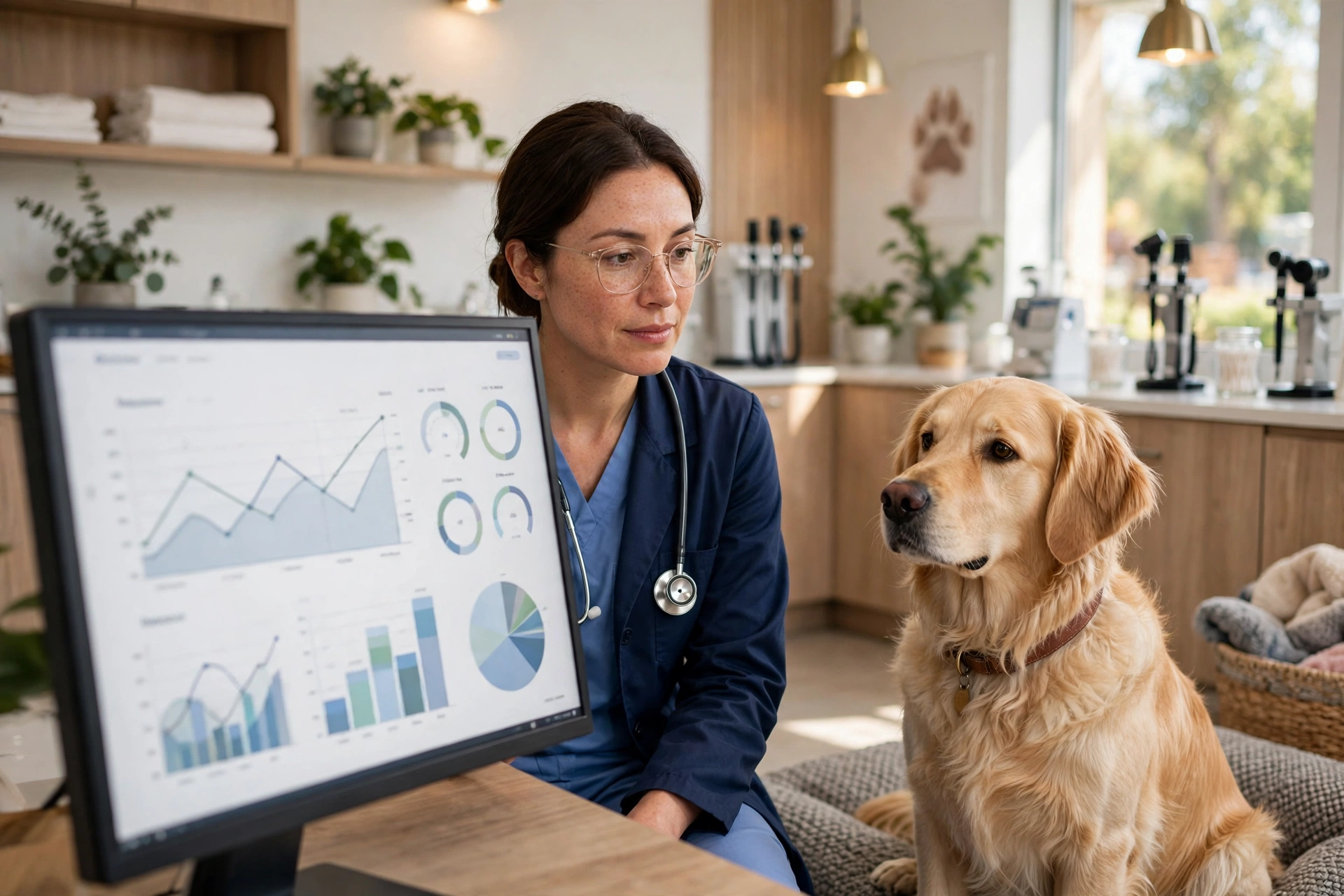
- Practice reporting that summarises appointment use, missed bookings, and treatment demand so managers can plan staffing and opening hours
The company says the tools are designed to support veterinary judgment rather than replace it: diagnosis, treatment decisions, and final records still remain with the qualified veterinary team, and every draft note or owner message can be reviewed and changed before it is used.
Why It Matters
The launch reflects a broader shift in veterinary care, where AI is moving into the everyday systems that keep a practice running smoothly. Pet owner expectations are rising, with people wanting quicker booking, clearer explanations of treatment options, and timely updates that fit around busy lives. At the same time, practices face pressure on costs, difficulty recruiting experienced vet nurses, and a growing amount of documentation for every consultation and procedure.
Tools like PawLogic’s sit in the middle of that pressure. By automating the mechanical parts of practice work — drafting, sorting, reminding, and first-pass reporting — they promise to give veterinary teams back the time they need for the work that genuinely requires expertise and a human touch: examining animals, explaining choices to owners, easing worry, and carrying out treatment carefully. The approach also helps independent practices access a level of organisation that larger veterinary groups can support with bigger administrative teams.
What to Watch Next
The real test for PawLogic will be how its tools perform in busy, real-world clinics — where emergencies disrupt planned diaries, patients arrive with complex histories, and accuracy in every record matters. It will also be worth watching how the company handles pet owner data, consent, and clarity about which parts of a message or note were drafted with AI assistance. For now, PawLogic’s launch is another sign that practical AI is finding a firm place in veterinary care, and that the practices learning to pair clinical skill with smarter, calmer administration may set the pace for the sector.