








Fitness coaching used to change at the speed of a new workout fad: one year it was group classes, the next it was wearable step counts. In 2026, that pace is clearly quickening. Across gyms, studios, and home workouts, trainers and fitness businesses alike are adopting AI systems that help build adaptive workout plans, track recovery, and personalise nutrition guidance to each member’s body, schedule, and goals. What began as experimentation in a few forward-looking fitness brands is becoming one of the defining wellness trends of the year — a shift toward hyper-personalized training that pairs smart tools with real human coaching.
What’s Changing
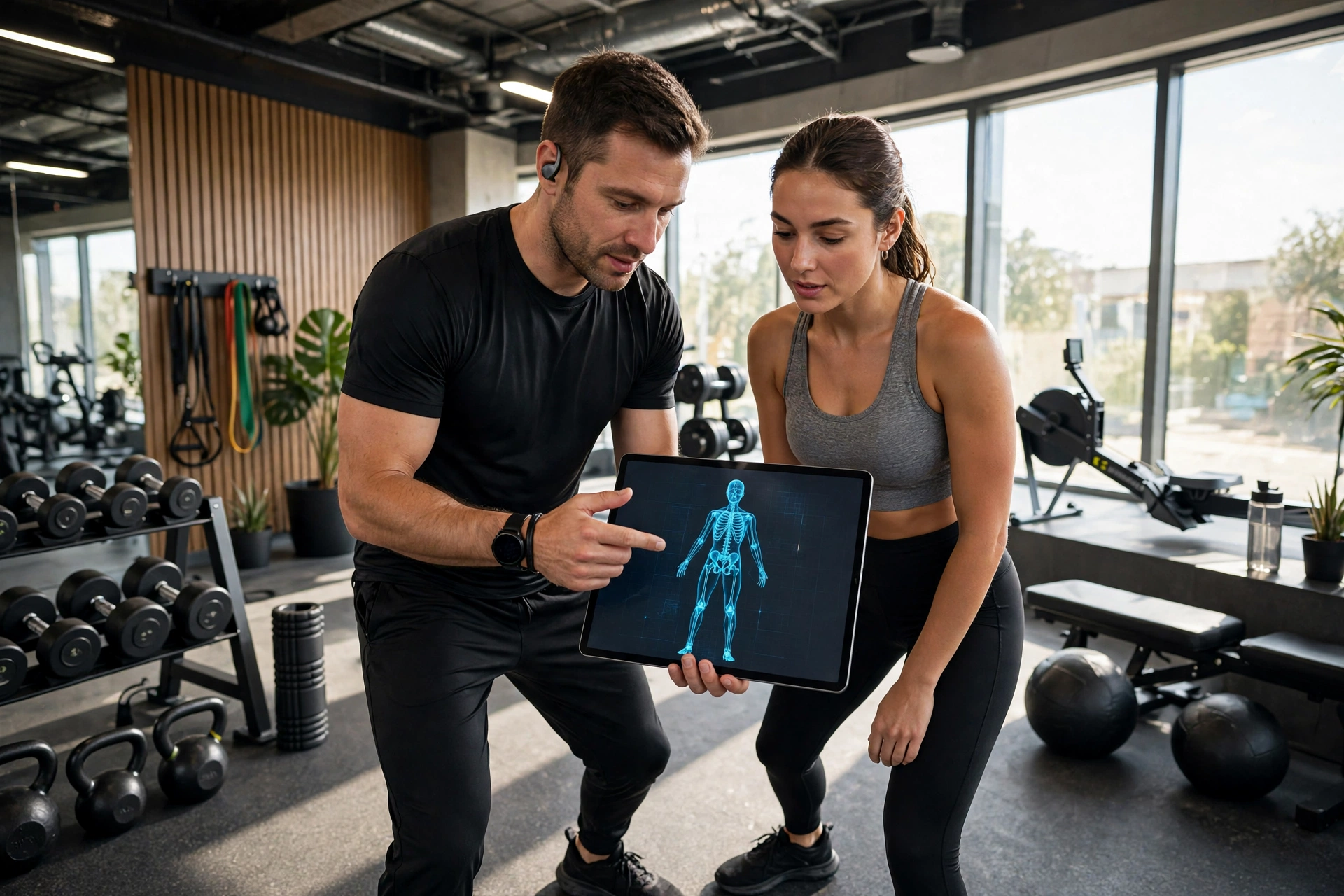
The clearest changes are happening in how workout plans are built and adjusted. Instead of following a fixed weekly template, members now train with plans that adapt from session to session — dialling intensity up when recovery looks strong and pulling back when sleep, soreness, or a busy week suggests caution. Trainers review these adjustments with their clients, using the data as a starting point for conversation rather than a verdict handed down by a machine.
Assessment is changing just as quickly. Movement screenings, progress photos, and wearable data are increasingly analysed by AI, which helps trainers spot plateaus, form issues, and recovery gaps earlier than periodic check-ins would allow. Class programming is adapting too, with studios using demand patterns to shape timetables and match members to the sessions most likely to keep them consistent. Nutrition guidance — once a generic handout or a pricey separate service — is becoming more tailored, with plans that adjust to training load, preferences, and everyday routines.
Why the Shift Is Happening
Several forces are converging at once. Members expect more from their gym memberships, with many willing to pay for coaching that feels built around them rather than around a template. At the same time, trainers can only work so many one-to-one hours, and good coaching has traditionally been hard to scale without losing its personal feel. A tool that carries the repetitive work of planning and tracking has obvious appeal, especially for independent studios that could never afford the large coaching teams the biggest chains employ.
The technology itself has also matured. Modern AI tools fit into existing training apps and gym software instead of demanding an entirely new workflow, and they handle the repetitive, time-heavy tasks — logging sessions, comparing progress, drafting plan adjustments — far faster than manual work. At the same time, the industry is learning where the limits sit. Questions about data privacy, the handling of health information, and the proper role of a trainer remain live, and the gyms earning the most goodwill are generally those that are open about how the tools were used and clear that final coaching decisions stayed with people.
What It Means
For trainers and coaches, the shift does not point to gyms without staff. It points to different work. Routine programming, logging, and first-pass analysis are increasingly handled by systems, while human roles concentrate on motivation, technique, and the countless small decisions that keep a client safe and progressing. Teams seeing the strongest results tend to involve coaches early, agree clear rules for how AI may be used, and treat the output as raw material to be shaped rather than a finished product.
For members and business owners, hyper-personalized training changes what is feasible. Programmes that once needed expensive one-to-one coaching can now be offered at group or hybrid prices, and small studios can match the personalisation of much larger operations. There are real concerns to manage as well. Gyms must handle health data carefully, protect member privacy, and avoid a sameness that can creep in when many businesses lean on similar tools. Personalisation is only valuable if the result still feels genuinely personal.
The Outlook
The direction for the rest of 2026 looks set. Expect AI to spread further into programme design, recovery tracking, and member retention, and expect packaged tools aimed at independent gyms and solo trainers to keep improving. The businesses leading this shift are not the ones using AI for its own sake; they are the ones using it to answer practical questions: how do we train people better, keep them consistent, and coach more of them well without burning out our team? In 2026, hyper-personalized training is no longer a side experiment for the fitness industry. Increasingly, it is part of how the work gets done.