







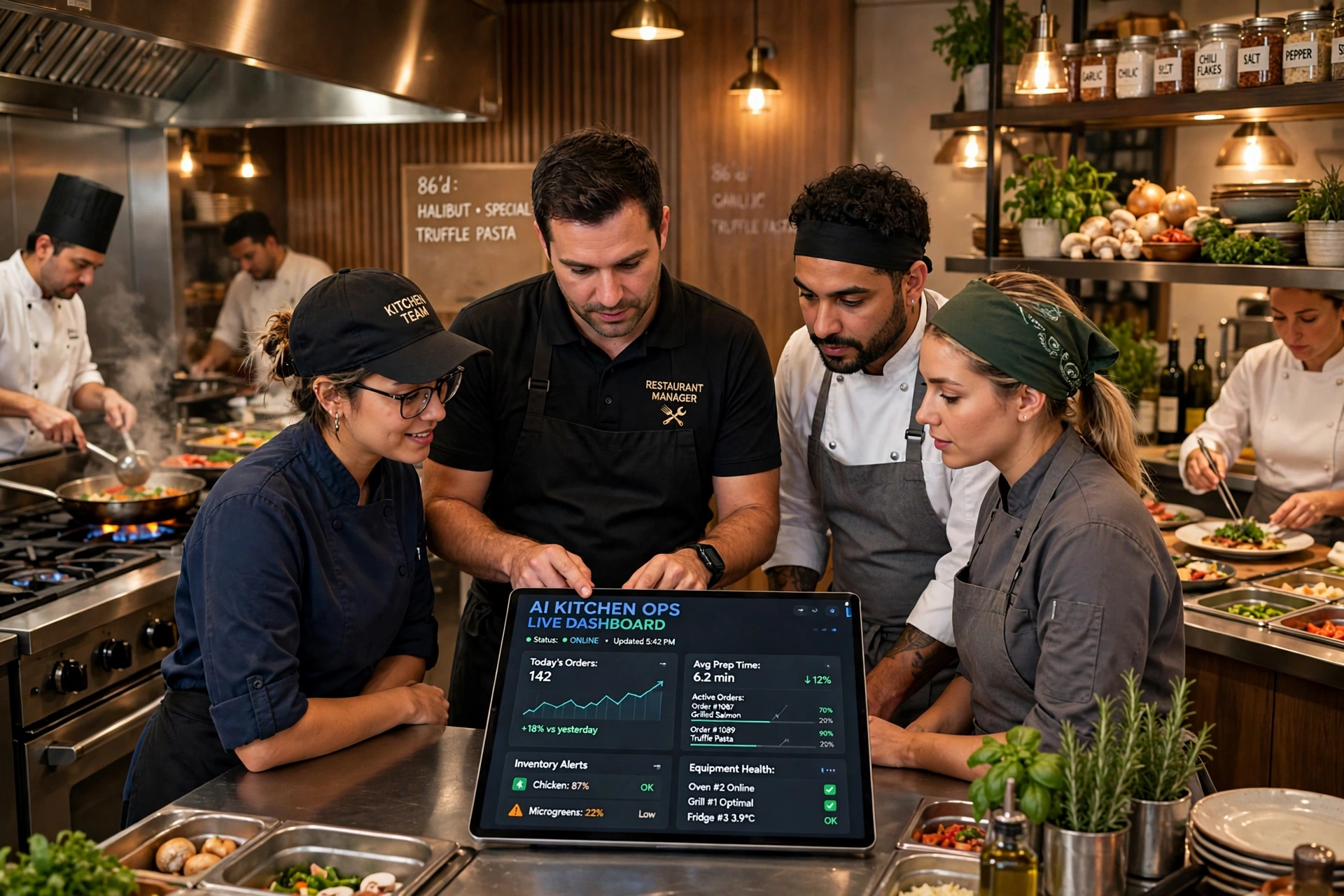
MenuMind, a restaurant technology company, has introduced a new suite of artificial intelligence tools designed to help restaurant owners, managers, and kitchen teams handle ordering, staffing, and daily preparation with less guesswork. The platform is aimed at independent restaurants, small chains, and cafés that juggle reservations, deliveries, ingredient costs, and changing customer tastes with small teams and tight margins. According to the company, the tools are meant to take on the planning and paperwork behind the service, so staff can spend more time on cooking, hospitality, and the experience guests actually remember.
The Problem
Running a restaurant has always meant balancing perishable stock, unpredictable demand, and people — and that balance has become harder to hold. A rainy weekend, a local event, or a sudden trend can change bookings overnight, while ingredient prices shift from week to week. Order too much and fresh food is wasted; order too little and popular dishes sell out during the busiest service of the week.
Much of the daily work behind the scenes is still done by hand. Managers build rotas in spreadsheets, count stock in the storeroom after close, rewrite prep lists each morning, and try to remember which dishes sold well on a similar day last month. Supplier orders, delivery app sales, reservation notes, and waste records often sit in separate systems, so building a clear picture of what the kitchen needs takes time managers do not have. For independent restaurants without a head office team, those hours come straight out of an already long day, and decisions are often made on habit and instinct rather than on the information the business already holds.
What the Tool Does
MenuMind’s platform brings several AI-assisted workflows into a single workspace built for restaurant teams. According to the company, its key features include:
- Demand forecasting that reviews past sales, reservations, weather, and local events to estimate how busy each service is likely to be
- Smart prep lists that turn forecasts into preparation quantities for the kitchen, adjusted for what is already in stock
- Inventory and ordering support that tracks ingredient use, flags items running low, and drafts supplier orders for manager approval
- Staff scheduling assistance that matches rotas to expected demand, helping managers avoid overstaffing quiet shifts or understaffing busy ones
- Menu performance insights that show which dishes sell, which carry the strongest margins, and which tie up costly ingredients
- Waste tracking that records what is thrown away and highlights patterns, so kitchens can adjust buying and preparation over time
The company says the tools are designed to support the people who run the restaurant rather than replace their judgment: menus, staffing, and supplier decisions still remain with the owner or manager, and every suggested order or rota can be reviewed and changed before it is used.
Why It Matters
The launch reflects a broader shift across hospitality, where AI is moving from customer-facing novelties into the quiet operational work that decides whether a restaurant survives. Margins in the sector are famously thin, food waste is both a cost and a growing concern for guests, and finding experienced staff remains difficult for many operators. In that environment, even modest improvements in ordering accuracy or prep planning can protect profits and reduce stress on the team.
Tools like MenuMind’s sit in the middle of that pressure. By automating the mechanical parts of management — counting, forecasting, listing, and first-draft scheduling — they promise to give managers back the hours they need for the work that genuinely requires a human touch: tasting, training, greeting regulars, and fixing problems in the moment. The approach also helps independent restaurants compete with larger groups that can afford operations analysts, bringing a similar level of planning discipline to a single-site kitchen.
What to Watch Next
The real test for MenuMind will be how its tools perform in real kitchens — where deliveries arrive late, walk-ins surprise even the best forecast, and no two services run exactly alike. It will also be worth watching how the company keeps its suggestions practical for small teams, and how it handles the data restaurants share about sales and suppliers. For now, MenuMind’s launch is another sign that the race to bring practical AI into hospitality is well underway, and that the restaurants learning to pair good cooking and warm service with smarter planning may set the pace for the industry.